Welding Problems
Defects and failure modes in laser and robotic welding, what causes them, how to diagnose them and how to fix them.
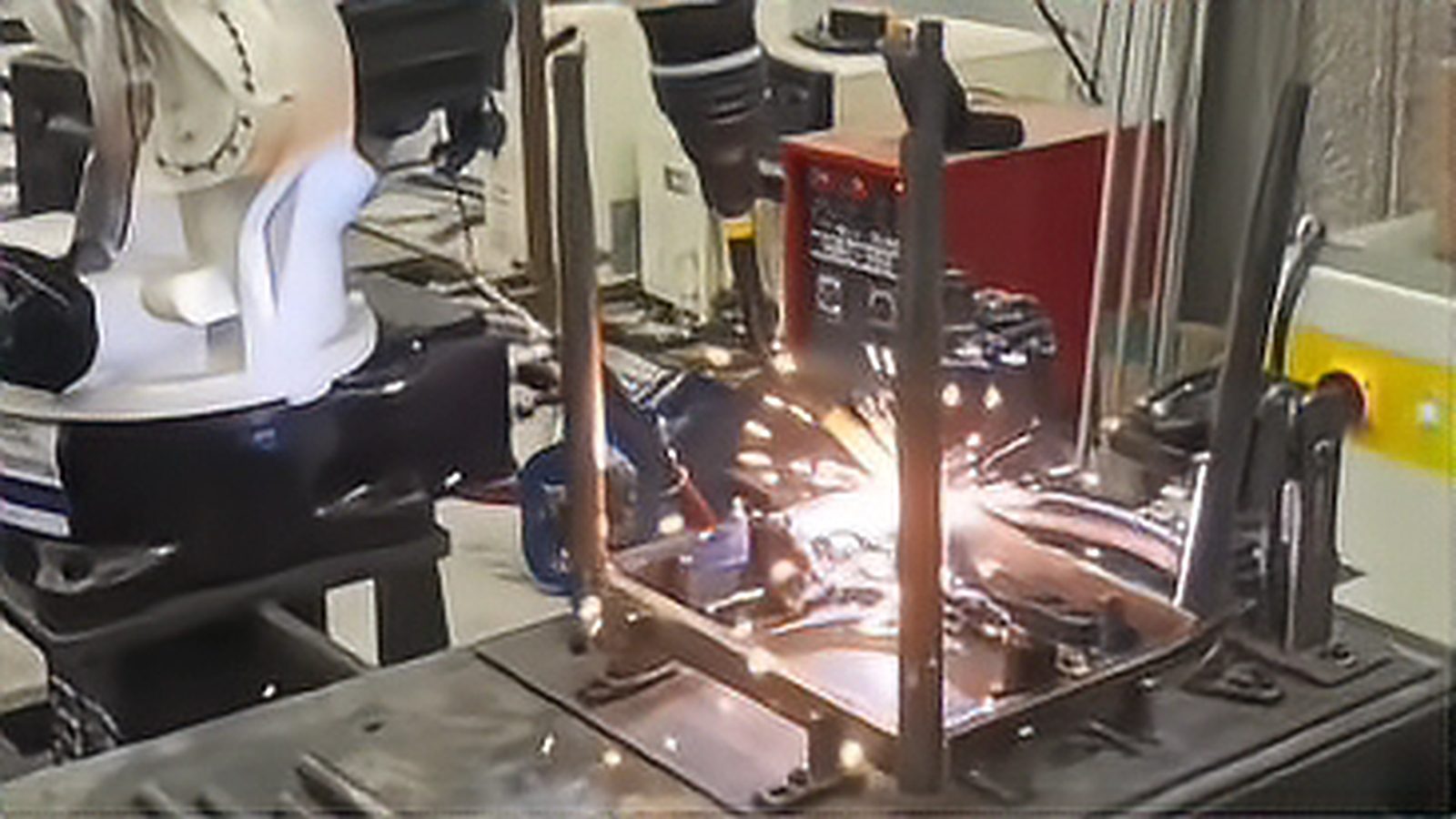
Burn-Through in Laser Welding: Causes and Prevention on Thin Sheet
Burn-through on thin sheet is not gradual. A few percent more power or a slightly slower traverse can turn a sound…
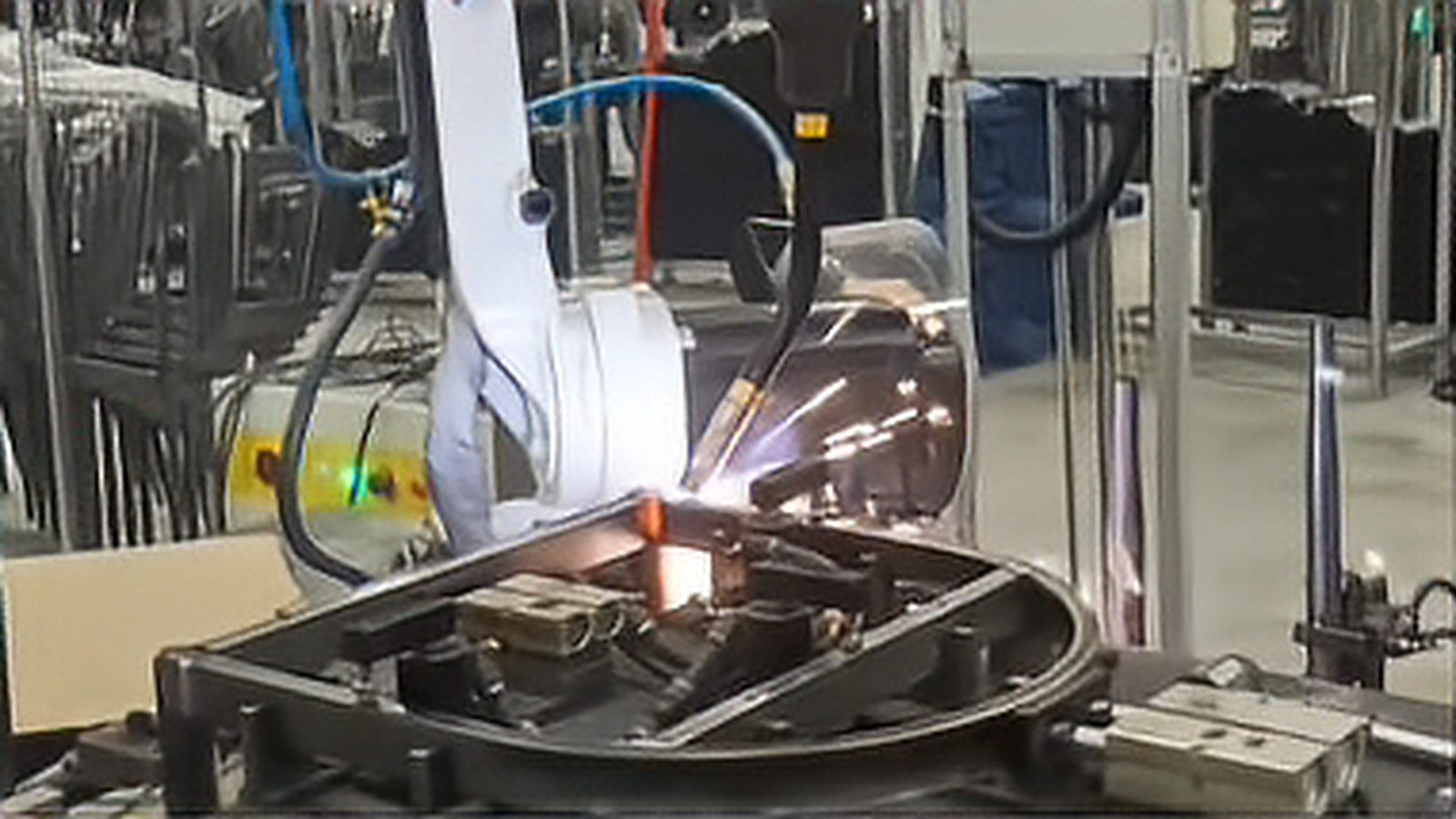
Lack of Fusion in Laser Welding: Why It Hides and How to Correct It
Lack of fusion is the most dangerous defect in laser welding because it gives almost no warning. A weld with an…
Undercut in Laser Welding: Causes, Inspection and Prevention
Undercut is the defect that looks tidy. Where spatter leaves obvious debris, undercut leaves a smooth groove melted…
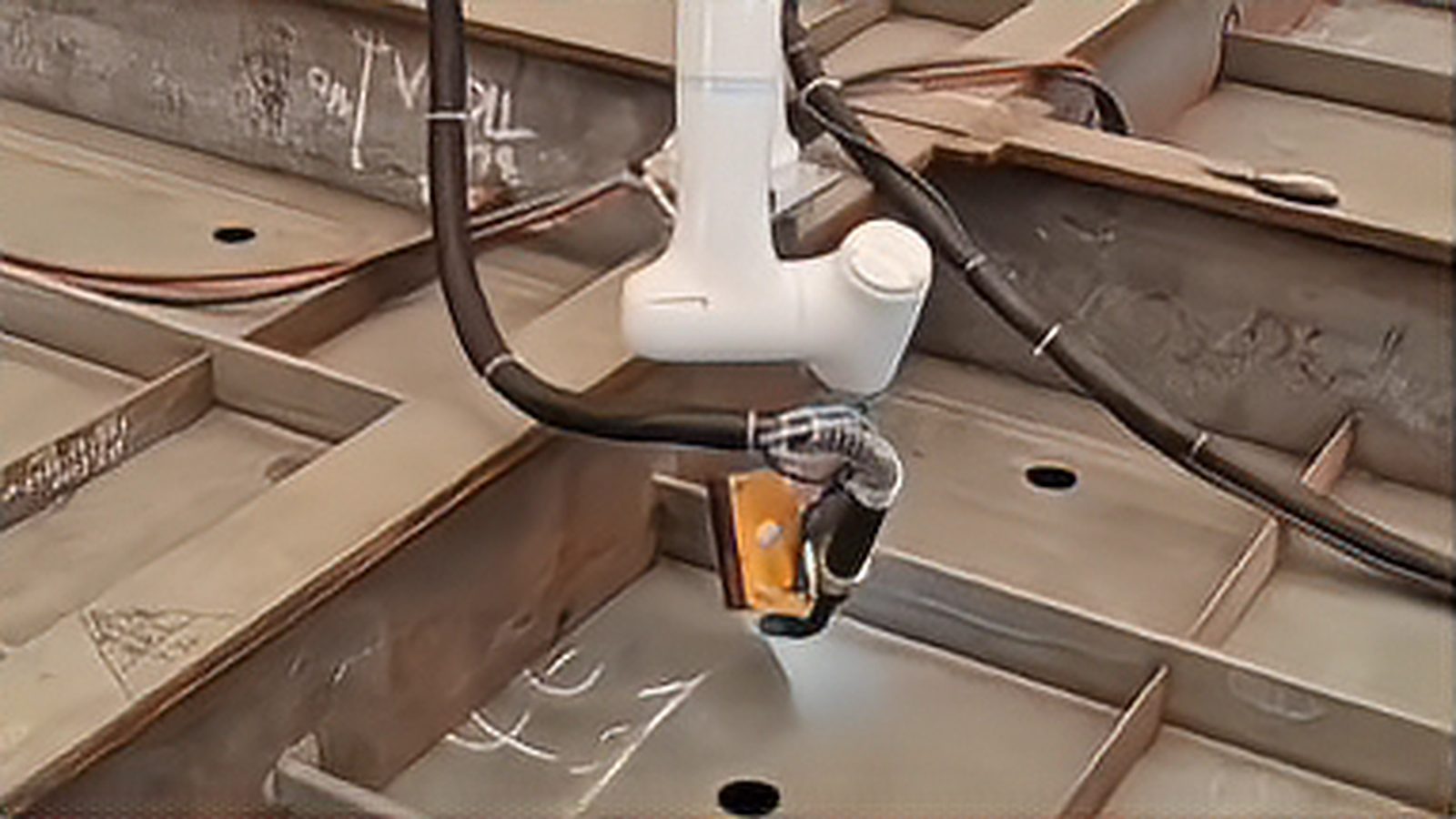
Spatter in Laser Welding: Causes and How to Control It
Spatter is the defect everyone sees and almost nobody measures. Droplets land on fixtures, nozzles, cover glass, and…
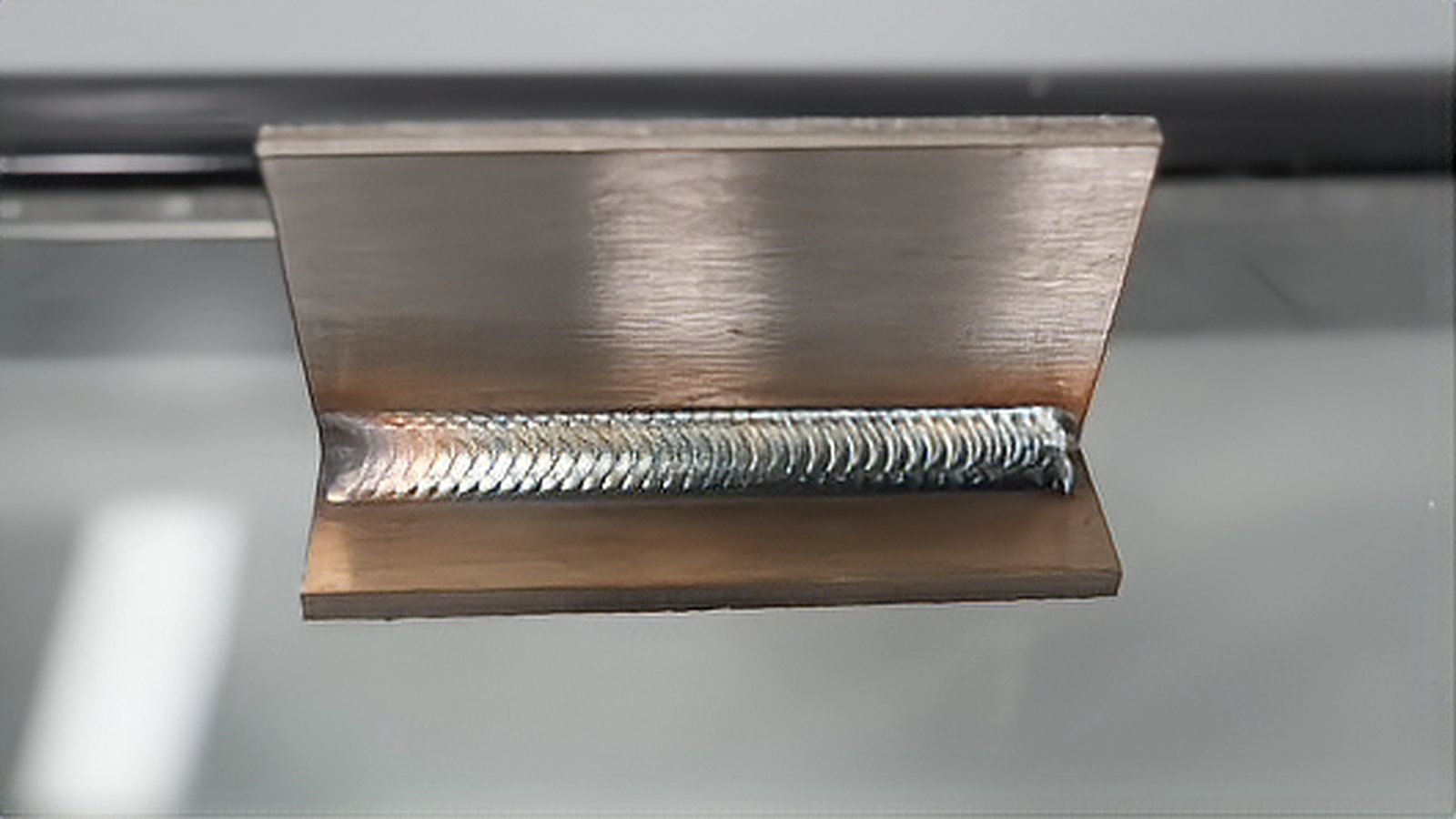
Laser Welding Defects: Causes and How to Fix Them
Laser welding defects such as porosity, cracking, undercut and lack of fusion rarely have a single tidy cause, and…
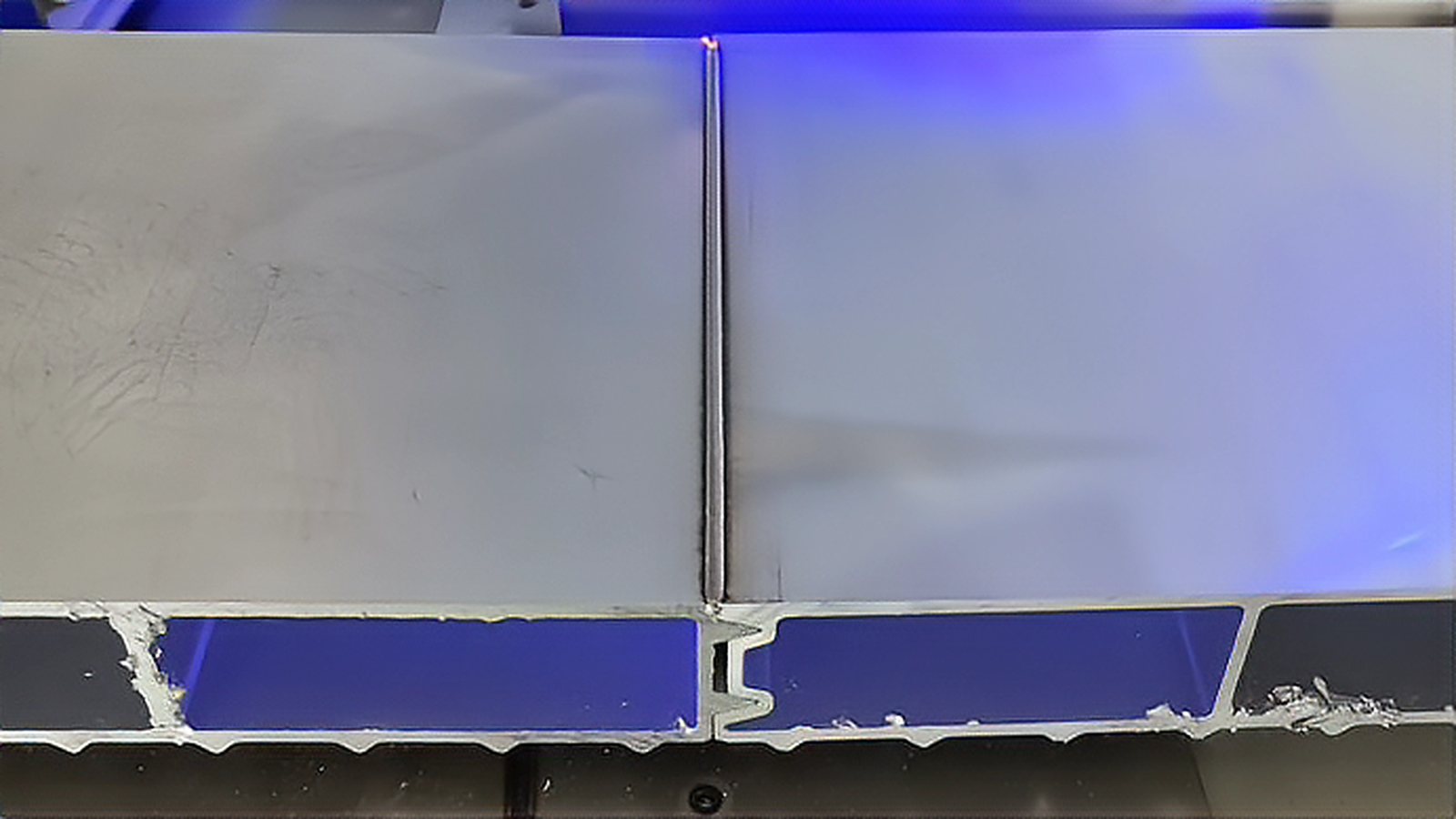
Joining Steel to Aluminum: Controlling Brittle Intermetallics
Dissimilar metal laser welding between steel and aluminum fails for one reason: the two metals react at the interface…