1. Part and joint review
Drawing, material, thickness and target volume. We say early if a cell is the wrong answer.
We specify, build and commission robotic and laser welding cells: fixture, positioner, laser source, safety and commissioning, with a trial weld on your parts before you commit.
Cells organised by workpiece and process, with cycle time, yield and payback defined per project.
Open →How the price of a laser welding cell is built, and which configuration fits which job.
Open →Before-and-after write-ups: the original process, what was installed, what changed.
Open →Send samples, get a weld trial and a video report before any hardware is quoted.
Open →Pick the shape closest to your part. Each entry explains the process fit and what changes the cell.
Drawing, material, thickness and target volume. We say early if a cell is the wrong answer.
The candidate process is run on your samples and recorded, including the parameters that did not work.
Robot, laser source, fixture, positioner, safety and commissioning, priced line by line.
Try-out, operator training and handover, with the measured cycle time written into the acceptance.
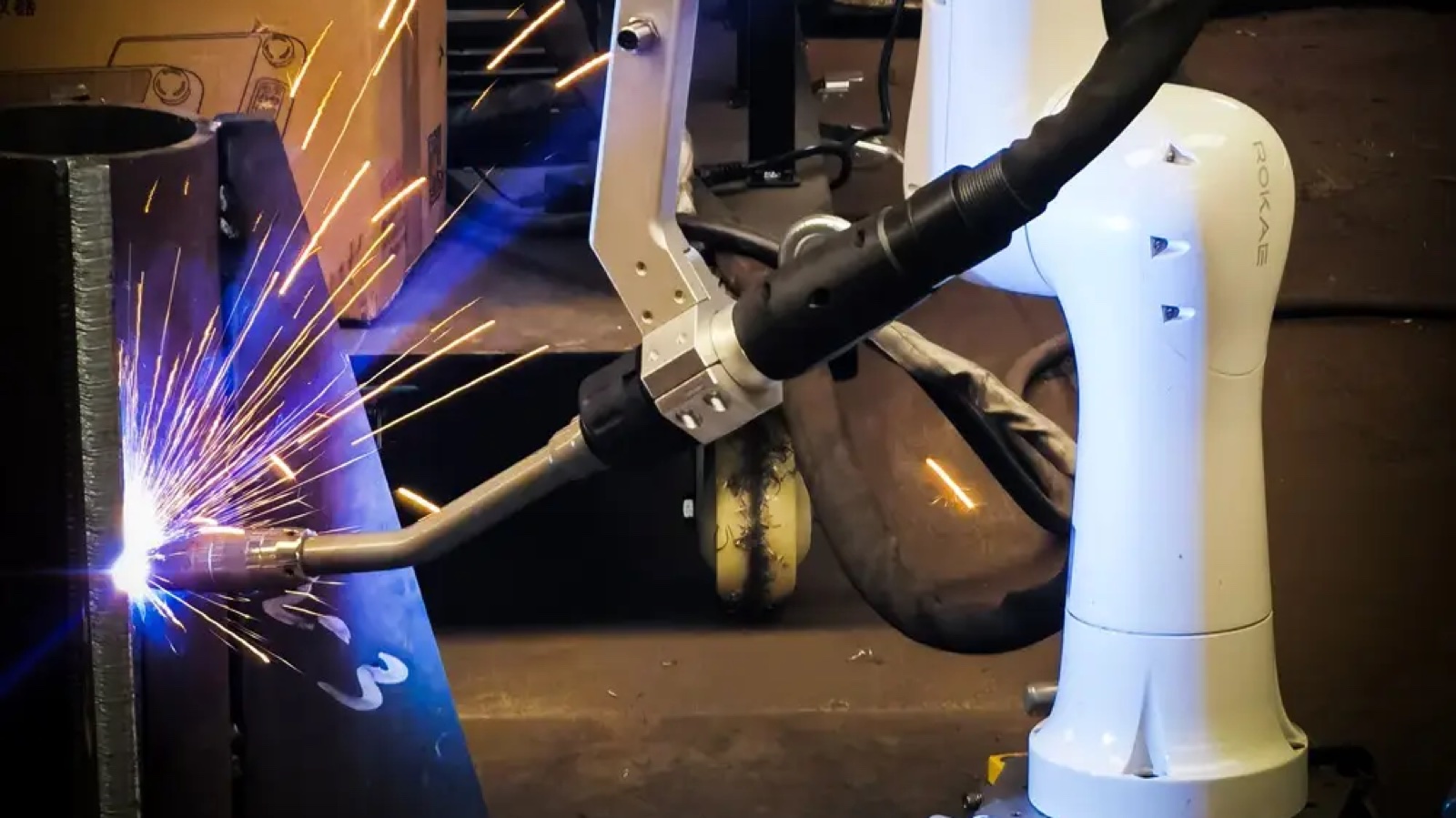
The picture above shows what a real cobot welding cell actually looks like: a collaborative arm on a bench, a 500 amp…
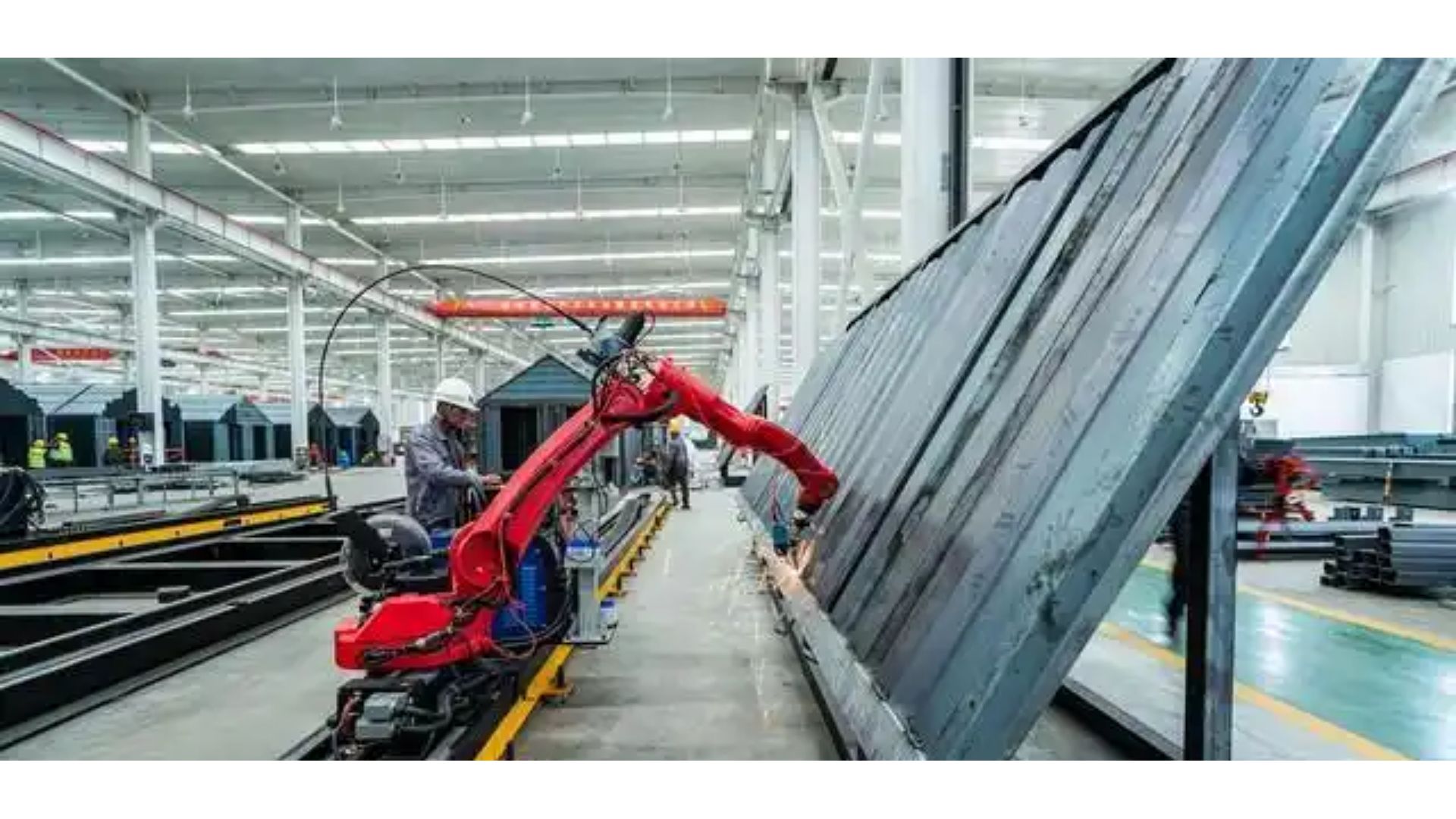
Welding cobots have changed who can automate. A small shop can now teach a robot by guiding the arm, without a…
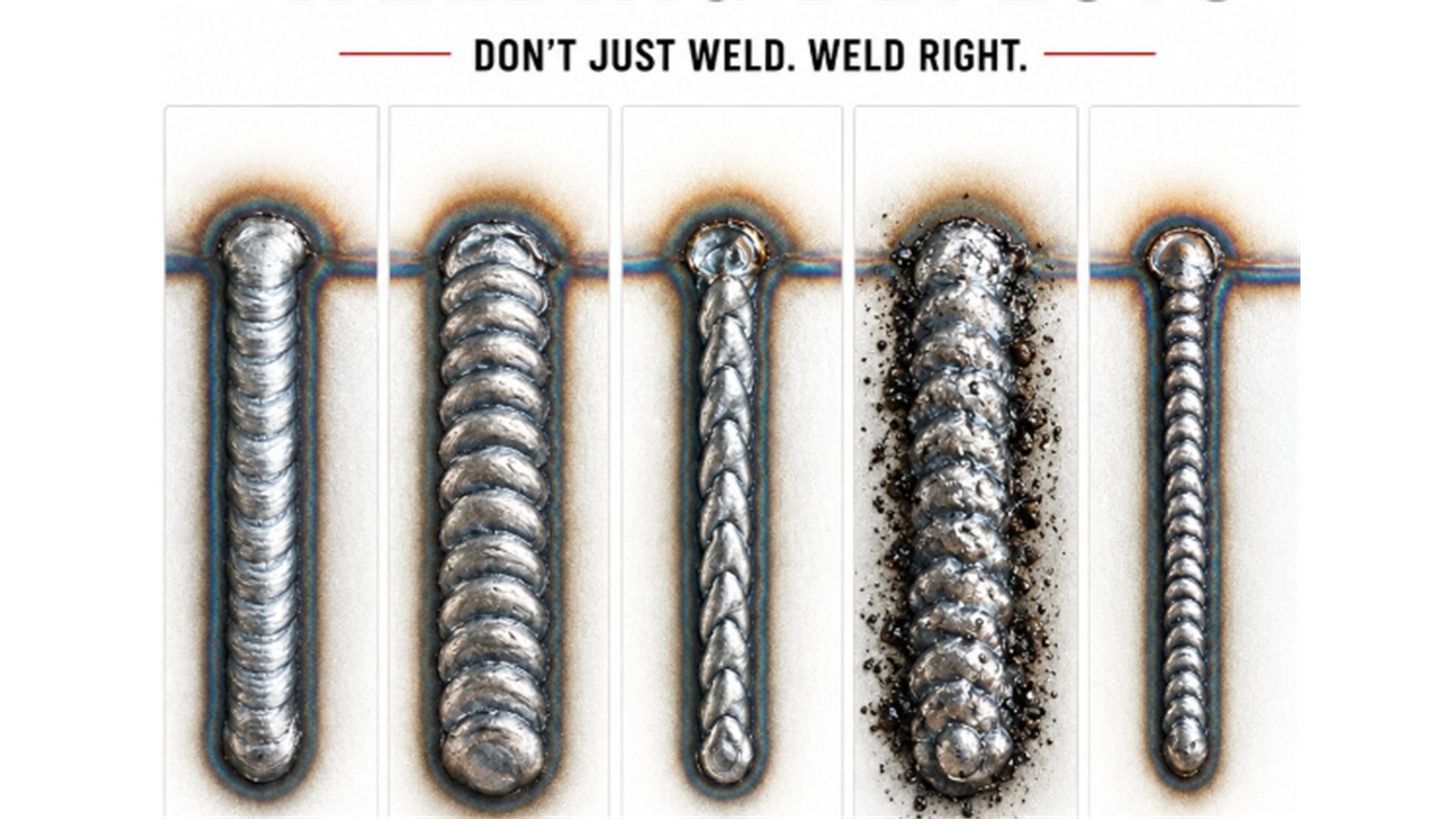
A weld bead is the cheapest inspection report you will ever get. Before you spend money on X-ray, ultrasonic testing…
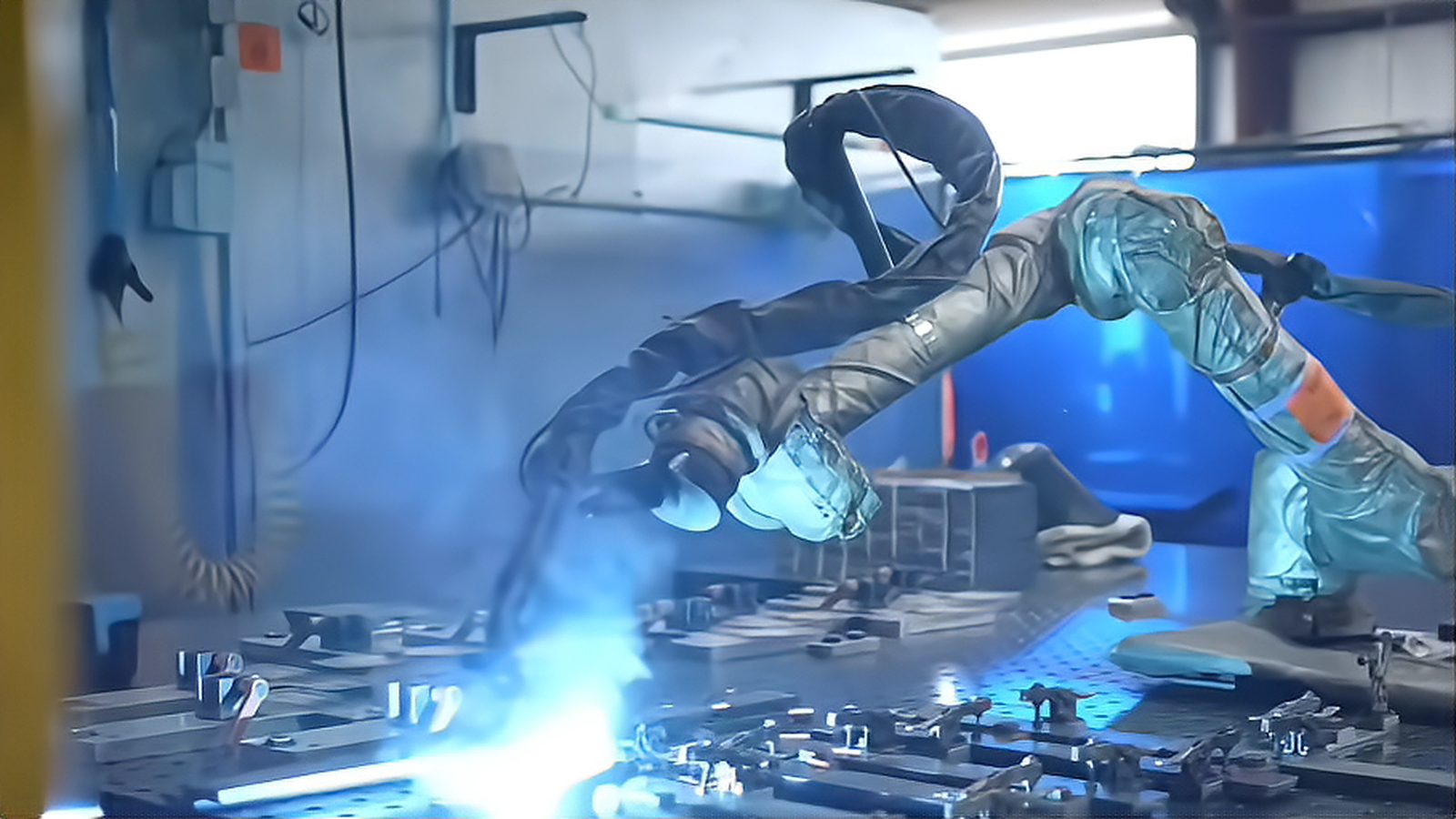
Laser directed energy deposition, or DED, builds or rebuilds metal parts by feeding filler into a laser melt pool…
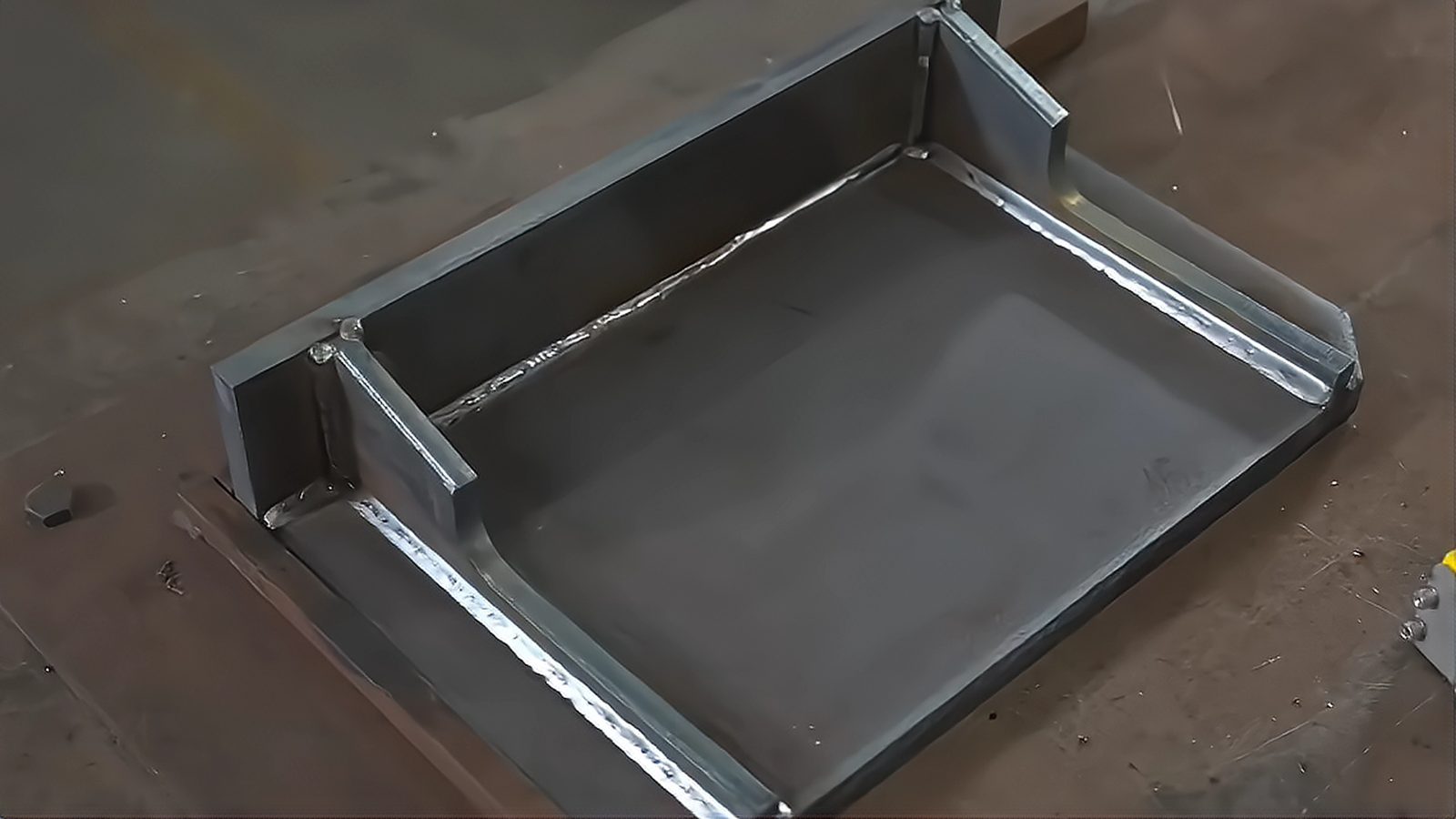
CE marking for laser machines is the manufacturer's declaration that the equipment meets the essential health and…
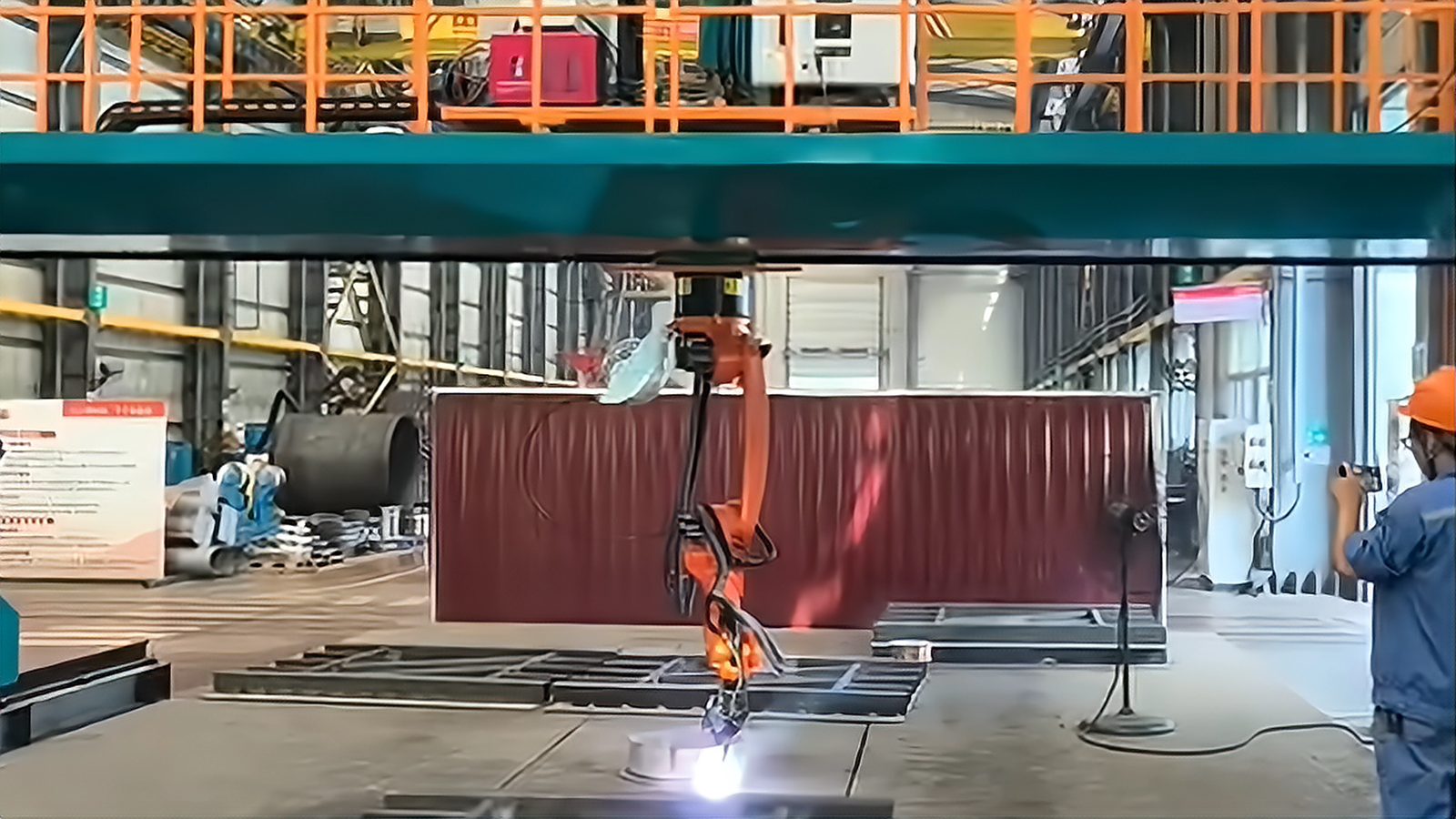
The choice between pulse vs CW laser welding mode changes everything about how heat enters the workpiece, from the…